 1 hour ago
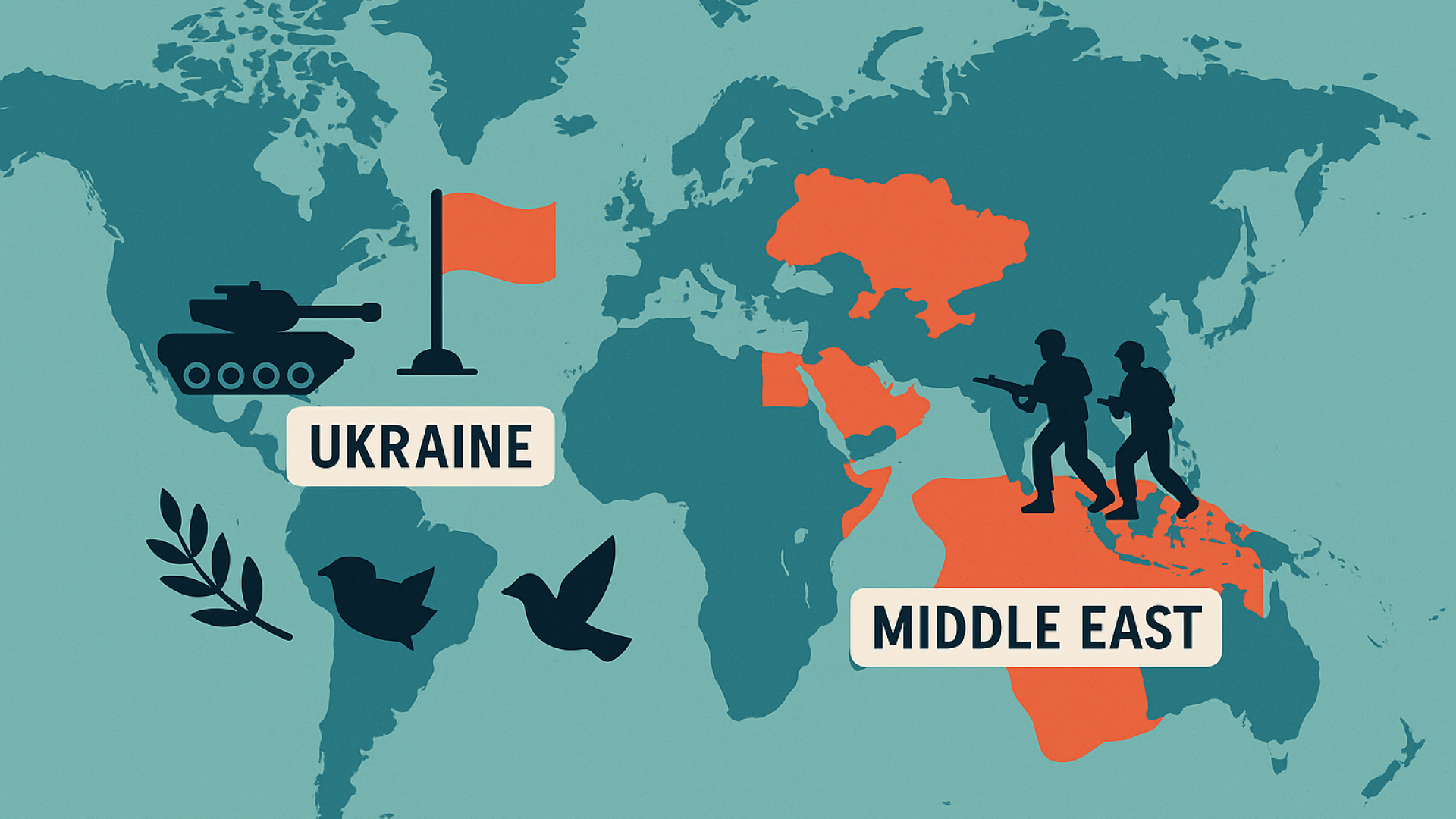
As the world moves through March 2026, geopolitical tensions have sharply escalated on multiple fronts, signaling a period of heightened instability and uncertainty. Two major conflict zones—the eastern front of Ukraine and the volatile Middle East—have drawn international attention due to recent military actions and diplomatic warnings that could reshape regional and global security dynamics.
Context: A World on Edge
The early months of 2026 have been marked by a series of alarming developments. In Eastern Europe, Russian forces have launched a significant spring offensive in Ukraine, intensifying a conflict that has persisted for years. Ukrainian President Volodymyr Zelensky has expressed deep concerns not only about the military pressure from Russia but also about the potential spillover effects of escalating tensions in the Middle East, particularly involving Iran.
Simultaneously, the Middle East has witnessed a surge in hostilities. Iranian missile strikes, attacks on civilian infrastructure such as hospitals in Sudan, and stern warnings from Tehran about closing the strategic Strait of Hormuz have raised fears of a broader regional conflagration. These developments come amid ongoing diplomatic efforts and international calls for de-escalation, which so far have struggled to contain the rising violence.
The Russian Spring Offensive in Eastern Ukraine
In March 2026, Russian military forces initiated a renewed offensive campaign in eastern Ukraine, focusing on key strategic areas in the Donetsk and Luhansk regions. This offensive aims to consolidate control over contested territories and disrupt Ukrainian defensive lines ahead of potential diplomatic negotiations.
Ukrainian forces have reported intense fighting, with significant artillery exchanges and ground assaults. President Zelensky has publicly urged international allies to maintain and increase pressure on Russia through sanctions and military support, emphasizing the need for sustained solidarity to prevent further territorial losses.
The offensive has also raised concerns about the humanitarian situation in the region. Civilians caught in the crossfire face displacement, shortages of essential supplies, and threats to their safety. International organizations have called for urgent humanitarian corridors and increased aid to mitigate the crisis.
Middle East Conflict: Iranian Missile Strikes and Regional Instability
Concurrently, the Middle East has experienced a sharp escalation in conflict dynamics. Iranian forces have conducted missile strikes targeting various locations, which have been interpreted as responses to perceived threats from regional adversaries and external powers.
One of the most alarming incidents was an attack on a hospital in Sudan, which resulted in civilian casualties and widespread condemnation. This attack highlights the complex and often opaque nature of proxy conflicts in the region, where multiple actors pursue competing interests.
Iran's Revolutionary Guards have issued stark warnings that any attack on Iranian energy facilities would trigger irreversible destruction of critical infrastructure across the Middle East. Furthermore, Tehran has threatened to fully close the Strait of Hormuz, a vital chokepoint for global oil shipments, if provoked by hostile actions, particularly from the United States.
Global Reactions and Diplomatic Efforts
The international community has responded with a mix of concern, condemnation, and calls for restraint. The United Nations and various regional organizations have urged all parties to engage in dialogue and avoid actions that could escalate conflicts further.
U.S. officials have reiterated support for Ukraine and condemned Iranian missile strikes, while also expressing caution about military escalation in the Middle East. European nations have emphasized the importance of maintaining energy security and preventing disruptions to global markets.
Diplomatic channels remain active, with ongoing negotiations aimed at de-escalating tensions. However, the complexity of the conflicts, involving multiple state and non-state actors with divergent agendas, poses significant challenges to achieving lasting peace.
Potential Solutions and Pathways Forward
Addressing these intertwined crises requires a multifaceted approach:
- Enhanced Diplomatic Engagement: Renewed efforts to bring conflicting parties to the negotiating table, supported by neutral mediators, could help reduce hostilities and build confidence.
- Humanitarian Assistance: Increased international aid and protection for civilians affected by the conflicts are critical to alleviating suffering and preventing further displacement.
- Strategic Security Measures: Strengthening regional security frameworks and confidence-building measures may reduce the risk of accidental escalation and foster cooperation.
- Economic and Sanction Policies: Targeted sanctions and economic incentives could influence the behavior of key actors, encouraging de-escalation and compliance with international norms.
- Energy Security Coordination: Collaborative efforts to secure energy supply routes, including the Strait of Hormuz, are essential to maintaining global economic stability.
Expanded Analysis of the Russian Offensive in Ukraine
The renewed Russian spring offensive in eastern Ukraine represents a critical phase in the ongoing conflict that began in 2014 and escalated dramatically in 2022. The offensive is characterized by a combination of heavy artillery bombardments, mechanized infantry advances, and the deployment of advanced drone technology. Russian forces have concentrated their efforts on capturing strategic urban centers and transportation hubs, aiming to sever Ukrainian supply lines and weaken the morale of Ukrainian defenders.
Ukrainian military analysts have noted that the offensive's timing coincides with Russia's desire to strengthen its bargaining position ahead of any potential peace talks or ceasefire agreements. The offensive has also seen the increased use of electronic warfare tactics intended to disrupt Ukrainian communications and command structures.
Despite the intensity of the fighting, Ukrainian forces have demonstrated resilience, employing counteroffensive maneuvers and leveraging Western-supplied weaponry, including precision-guided munitions and advanced air defense systems. The conflict has resulted in significant casualties on both sides, with civilian populations bearing the brunt of the violence through displacement and infrastructure damage.
Deepening Middle East Tensions and Proxy Dynamics
The Middle East's escalating conflict is deeply intertwined with broader regional power struggles, particularly between Iran and its rivals, including Saudi Arabia, Israel, and the United States. Iran's missile strikes and threats to close the Strait of Hormuz are part of a strategic posture aimed at deterring external interference and asserting its influence across the region.
The attack on the hospital in Sudan underscores the complex web of proxy conflicts, where Iran-backed militias and allied groups operate in multiple countries, often exacerbating local tensions. Sudan, already grappling with internal instability, has become a flashpoint for these broader geopolitical rivalries.
Tehran's warnings about retaliatory strikes on energy infrastructure highlight the vulnerability of critical global supply chains. The Strait of Hormuz, through which approximately 20% of the world's petroleum passes, remains a focal point of strategic concern. Any disruption here could trigger a spike in global oil prices and economic instability.
International Diplomatic Landscape and Challenges
The international diplomatic response to these crises reflects a delicate balancing act. While there is broad consensus on the need to prevent further escalation, divergent national interests complicate unified action. The United States continues to support Ukraine militarily and diplomatically, while simultaneously engaging in cautious dialogue with Iran to avoid direct confrontation.
European countries, heavily dependent on Middle Eastern energy supplies, have advocated for de-escalation and the protection of critical infrastructure. Meanwhile, regional actors such as Turkey and the Gulf states have sought to mediate tensions, though their efforts are often constrained by competing alliances and domestic considerations.
Multilateral forums, including the United Nations Security Council, have struggled to pass binding resolutions due to vetoes and geopolitical rivalries. Nonetheless, back-channel communications and informal negotiations persist, aiming to establish ceasefires and humanitarian access.
Humanitarian Impact and Response Efforts
The humanitarian consequences of the conflicts in Ukraine and the Middle East are profound. In Ukraine, millions have been displaced internally or have fled abroad, creating one of the largest refugee crises in recent history. Access to food, medical care, and shelter remains precarious, especially in frontline areas.
In the Middle East, civilian populations face similar hardships. The destruction of hospitals and essential infrastructure in Sudan and other affected areas has strained healthcare systems. International aid organizations have called for increased funding and safe passage to deliver critical assistance.
Efforts to establish humanitarian corridors have been met with logistical and security challenges, as ongoing hostilities and mistrust among parties hinder access. The international community continues to advocate for respect of international humanitarian law and protection of civilians.
Strategic Implications for Global Security and Economy
The simultaneous escalation in Ukraine and the Middle East poses significant risks to global security architecture. The potential for these conflicts to intersect or inspire wider confrontations raises concerns about a broader destabilization of international order.
Economically, disruptions to energy supplies from the Middle East, combined with the ongoing conflict in Ukraine, threaten to exacerbate inflationary pressures and supply chain vulnerabilities worldwide. Markets remain volatile as investors react to geopolitical uncertainties.
Moreover, the conflicts have accelerated discussions on energy diversification and the transition to renewable sources, as nations seek to reduce dependence on politically sensitive regions.
Conclusion: Navigating a Precarious Global Landscape
The developments in eastern Ukraine and the Middle East in March 2026 underscore the fragility of international peace and security. The convergence of military offensives, regional rivalries, and geopolitical brinkmanship presents a daunting challenge for policymakers and global citizens alike.
While the risks of further escalation are significant, there remains hope that concerted diplomatic efforts, combined with international solidarity and pragmatic solutions, can pave the way toward de-escalation and stability. The coming months will be critical in determining whether the world can avoid a broader conflict and move toward a more peaceful and secure future.