 7 months ago
Introduction
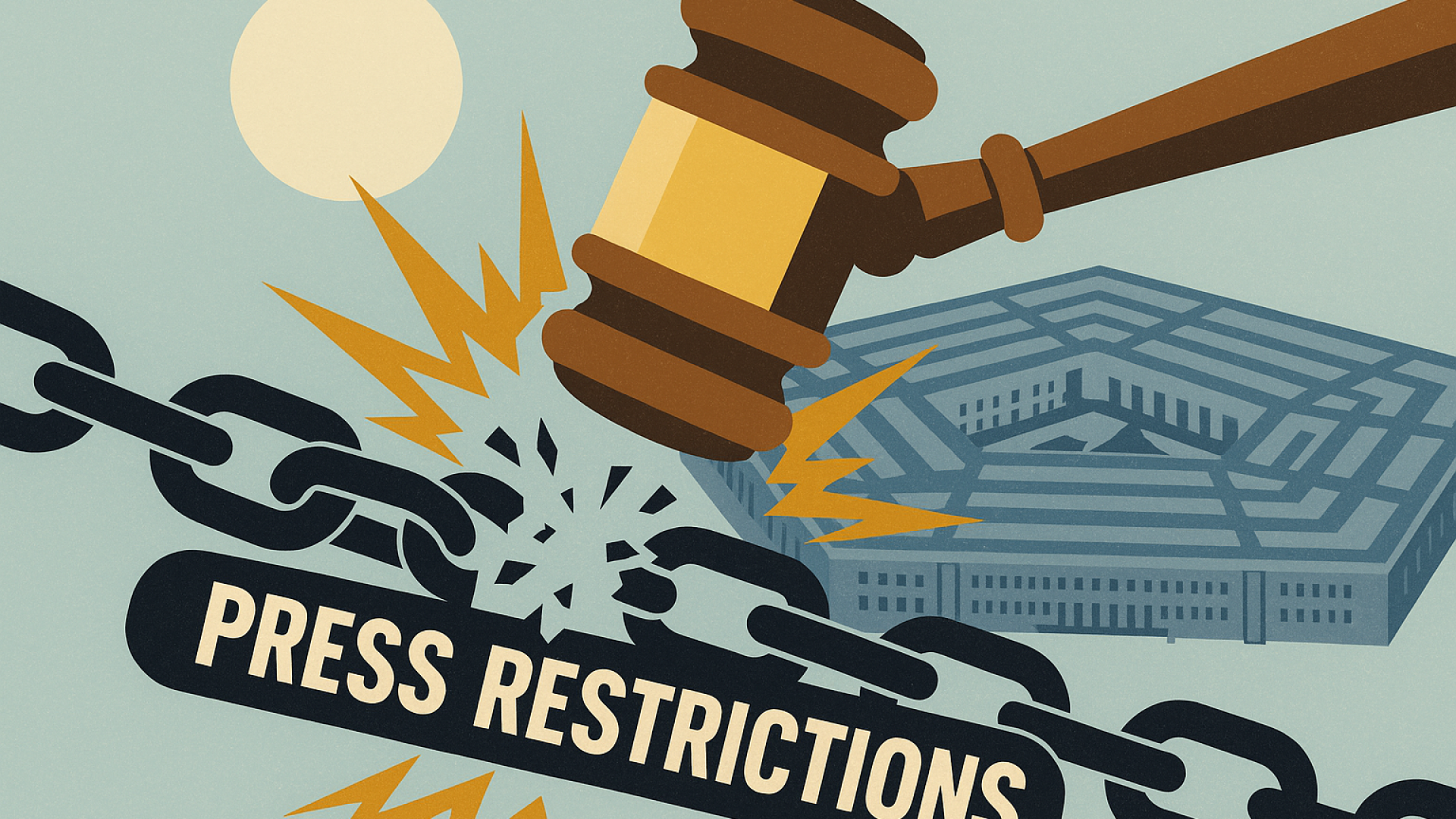
On March 21, 2026, a landmark ruling by a federal judge declared that the Pentagon's restrictions on press access violate the First Amendment of the United States Constitution. This decision has reignited a critical debate about the balance between national security and freedom of the press, a cornerstone of American democracy. The ruling challenges longstanding Pentagon policies that have limited journalists' ability to report on military operations and raises profound questions about transparency, accountability, and the public's right to know in a democratic society.
Freedom of the press is often described as the "fourth estate," serving as a watchdog over government actions and a conduit for information to the public. However, in the context of military operations, this freedom has frequently been curtailed under the justification of protecting national security interests. The recent judicial decision confronts this tension head-on, emphasizing that constitutional protections must not be overridden without compelling and narrowly defined reasons.
Context: The Pentagon's Press Restrictions
For decades, the Department of Defense (DoD) has maintained strict controls over media access to military activities, citing concerns over operational security and troop safety. These restrictions have included limitations on embedding journalists with troops, censoring sensitive information, and controlling the timing and content of military-related news releases. While intended to protect national security interests, critics argue these policies have often been used to suppress unfavorable coverage and limit public scrutiny.
The Pentagon's approach intensified during periods of conflict, such as the wars in Iraq and Afghanistan, where embedded journalism was introduced but heavily regulated. Embedded journalists were allowed to accompany military units but were subject to stringent rules regarding what they could report, often requiring pre-publication review by military officials. Over time, the restrictions evolved to include digital media and social platforms, further complicating the relationship between the military and the press. The rise of instant communication and social media has challenged traditional models of information control, prompting the Pentagon to impose new regulations aimed at curbing unauthorized disclosures.
The recent lawsuit challenging these restrictions was brought forward by a coalition of media organizations and press freedom advocates. They asserted that the Pentagon's policies unlawfully infringe on constitutional rights by imposing blanket bans and vague guidelines that effectively amount to censorship. The plaintiffs argued that such restrictions prevent journalists from fulfilling their role in informing the public about military affairs, including issues of misconduct, policy decisions, and the human cost of war.
Core Issues: First Amendment and National Security
The First Amendment guarantees freedom of speech and of the press, protecting journalists from government censorship and interference. However, this freedom is not absolute, especially when national security is at stake. The government argues that certain information must be withheld to prevent jeopardizing military operations, endangering personnel, or compromising intelligence.
The judge's ruling carefully weighed these competing interests. The court found that the Pentagon's blanket restrictions were overly broad and lacked sufficient justification. It emphasized that while some limitations are necessary, they must be narrowly tailored and subject to judicial oversight to prevent unconstitutional censorship. The ruling highlighted the importance of a free press in holding government institutions accountable and ensuring an informed citizenry.
Importantly, the court recognized that the government has a legitimate interest in protecting sensitive information that could harm national security. However, it underscored that such interests do not grant the military carte blanche to impose sweeping restrictions without clear standards or avenues for challenge. The ruling called for a more nuanced approach that balances security concerns with constitutional freedoms, ensuring that any restrictions are specific, justified, and transparent.
Implications for Media and Military Relations
This decision is poised to reshape how the military interacts with the press. Journalists may gain greater access to military operations, enabling more comprehensive and independent reporting. This could lead to increased transparency about military actions, expenditures, and policies, fostering public trust and democratic oversight.
Greater media access can empower journalists to uncover stories that might otherwise remain hidden, such as issues related to military misconduct, the welfare of service members, and the effectiveness of defense strategies. Enhanced reporting can also provide the public with a more accurate understanding of the complexities and consequences of military engagements.
However, the ruling also raises concerns within the Pentagon and among defense officials about potential risks. Greater media access could inadvertently reveal sensitive information, compromise tactical advantages, or expose troops to harm. The military will need to develop new protocols that balance openness with security, possibly involving clearer guidelines, enhanced training for journalists, and real-time coordination during operations.
To address these concerns, the Pentagon may implement measures such as stricter accreditation processes for journalists, improved communication channels to clarify what information can be safely disclosed, and joint training sessions to foster mutual understanding between military personnel and media representatives. These steps could help mitigate risks while respecting the press's constitutional rights.
Broader Political and Social Impact
The ruling arrives amid a politically charged environment where media freedom and government transparency are hotly debated topics. It may influence ongoing discussions about press rights, government accountability, and the role of the media in democracy. Lawmakers and advocacy groups are likely to use this decision to push for legislative reforms that protect press freedoms while addressing legitimate security concerns.
In recent years, concerns about misinformation, national security threats, and the spread of sensitive information have led some policymakers to advocate for tighter controls on the media. This ruling challenges such trends by reaffirming the constitutional protections afforded to journalists, even in sensitive contexts. It may embolden press organizations to resist undue censorship and encourage greater vigilance in defending media freedoms.
Moreover, the ruling could set a precedent for other government agencies that impose restrictions on the press. It underscores the judiciary's role in safeguarding constitutional rights against executive overreach, reinforcing the system of checks and balances fundamental to American governance. This precedent may influence cases involving other branches of government, such as intelligence agencies or law enforcement, where press access and transparency are similarly contested.
Potential Solutions and Future Directions
Moving forward, a collaborative approach between the Pentagon, media organizations, and legal experts is essential. Developing clear, transparent policies that respect both national security and press freedom can help prevent future conflicts. Possible solutions include:
- Establishing Independent Oversight: Creating an independent body to review and approve restrictions on press access to ensure they are justified and constitutional. Such oversight can provide accountability and prevent arbitrary or overly broad censorship.
- Enhanced Training and Guidelines: Providing journalists with training on operational security and the military with guidance on media engagement to foster mutual understanding. This can help journalists recognize sensitive information and the military appreciate the press's role.
- Real-Time Coordination Mechanisms: Implementing systems that allow for timely communication between military officials and journalists during sensitive operations. This can facilitate rapid resolution of disputes over information disclosure and reduce misunderstandings.
- Legal Safeguards: Enacting legislation that clearly defines the limits of press restrictions and protects journalists from arbitrary censorship. Clear legal standards can provide certainty and protect constitutional rights.
These measures can help balance the need for security with the imperative of a free and independent press, ensuring that neither is sacrificed at the expense of the other.
Conclusion
The recent judicial ruling against the Pentagon's press restrictions marks a significant moment in the ongoing struggle to define the boundaries of press freedom in the context of national security. It reaffirms the vital role of the media in a democratic society and challenges government agencies to uphold constitutional principles while protecting the nation. As the Pentagon and the press navigate this new landscape, the ultimate goal remains clear: ensuring that the public remains informed without compromising the safety and effectiveness of the military.
As this story develops, it will be crucial to monitor how the Pentagon adapts its policies and how the media leverages this ruling to enhance transparency. The balance between security and freedom is delicate, but this decision underscores the enduring strength of constitutional rights in guiding that balance. Ultimately, it serves as a reminder that a free press is not a threat to national security but a fundamental pillar that sustains democracy and accountability.