 7 months ago
Introduction
In early 2026, health authorities in the United Kingdom reported a concerning outbreak of Meningitis B, a serious bacterial infection that primarily affects young children and adolescents. This outbreak has triggered an immediate and coordinated public health response aimed at understanding the spread of the disease, providing timely treatment to affected individuals, and preventing further cases from emerging. Given the severity and rapid progression of Meningitis B, the outbreak has understandably raised alarm among healthcare professionals, policymakers, and the general public alike. This article provides a comprehensive overview of the Meningitis B outbreak, its implications, symptoms, preventive measures, and the ongoing investigation to protect public health across the UK.
Context and Background
Meningitis B is caused by the bacterium Neisseria meningitidis serogroup B. It is recognized as one of the leading causes of bacterial meningitis in the UK and many other parts of the world. The disease can progress very rapidly, sometimes within hours, and may result in severe complications or death if not treated promptly and effectively. While vaccination programs introduced over the past decade have significantly reduced the incidence of Meningitis B in the UK, outbreaks still occur sporadically, often in localized clusters where transmission is facilitated by close contact.
The current outbreak was first identified in late 2025 when several cases were reported in a concentrated geographic area. Since then, the number of confirmed cases has steadily increased, raising concerns among health officials and the public. The UK’s Health Security Agency (UKHSA) has been actively investigating the outbreak to determine its source, understand transmission dynamics, and implement control measures aimed at halting further spread. This outbreak underscores the ongoing vulnerability to meningococcal disease despite advances in vaccination and public health surveillance.
Understanding Meningitis B
Meningitis B infection occurs when the bacteria invade the protective membranes covering the brain and spinal cord, known as the meninges, causing inflammation. This inflammation can lead to severe neurological damage if not treated promptly. In addition to meningitis, the infection can also cause bloodstream infections known as septicaemia, which can be life-threatening and require urgent medical intervention.
Symptoms
- High fever that develops suddenly
- Severe headache that does not improve
- Stiff neck making it difficult to touch the chin to the chest
- Nausea and vomiting
- Photophobia, or sensitivity to bright light
- Confusion, difficulty concentrating, or drowsiness
- Cold hands and feet or limb pain
- Rapid breathing or difficulty breathing
- Skin rash, which may start as small, purple spots and can progress rapidly
Symptoms can develop very quickly, often within hours of exposure, making early recognition and treatment critical to improving outcomes. Parents and caregivers are urged to seek immediate medical attention if they observe any of these signs, especially in young children and adolescents who are most at risk.
Transmission
The bacteria responsible for Meningitis B spread through respiratory droplets or close contact with an infected person. This means that coughing, sneezing, kissing, or sharing utensils and drinks can facilitate transmission. Common transmission settings include households, schools, universities, and other environments where people are in close proximity for extended periods. However, it is important to note that not everyone exposed to the bacteria will develop the disease; some individuals may carry the bacteria asymptomatically in their throat or nose without showing symptoms, acting as carriers who can unknowingly spread the infection.
Current Outbreak Investigation
The UKHSA has deployed teams of epidemiologists and infectious disease specialists to trace contacts, identify clusters, and monitor the spread of the outbreak. Initial findings suggest that the outbreak is concentrated in specific regions, with cases predominantly occurring among children and young adults. This demographic pattern aligns with known risk groups for Meningitis B, who often have close social interactions that facilitate transmission.
Health authorities are conducting genetic sequencing of bacterial samples collected from patients to understand if the outbreak strain differs from typical circulating strains. This analysis is crucial because variations in the bacterial strain could influence how easily it spreads or how effective current vaccines are against it. Early genetic data will help guide public health decisions regarding vaccination strategies and other control measures.
Public health messaging has been intensified to raise awareness among parents, schools, and healthcare providers about the signs and symptoms of Meningitis B and the importance of seeking immediate medical care. Information campaigns emphasize the urgency of early diagnosis and treatment to reduce the risk of severe complications.
Prevention and Vaccination
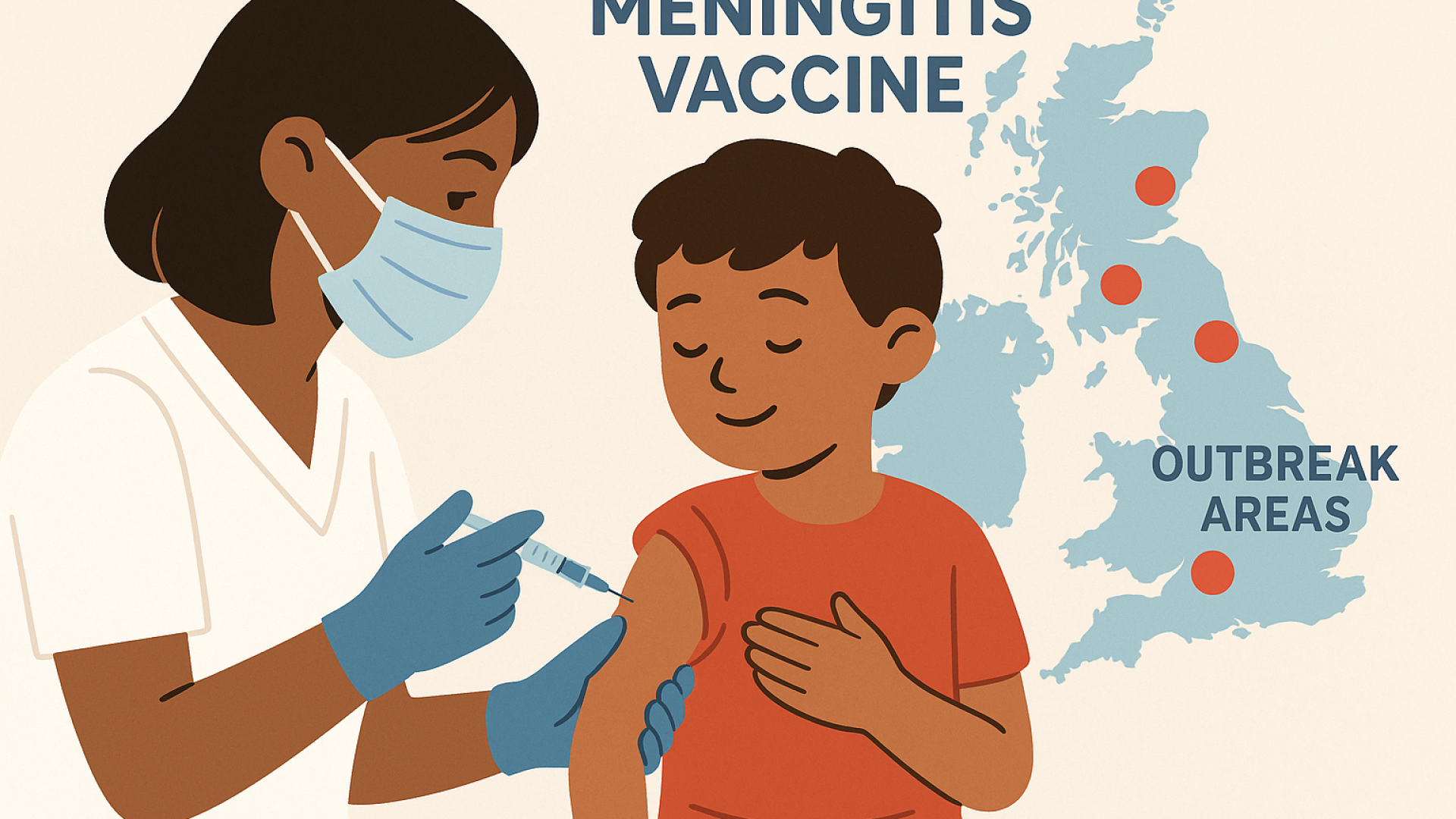
Vaccination remains the most effective way to prevent Meningitis B infection. The UK’s immunization program currently includes the MenB vaccine for infants, which has significantly reduced the number of cases in recent years. However, the current outbreak has prompted discussions among public health officials about expanding vaccination efforts to include older children, adolescents, and potentially young adults in affected areas to curb transmission.
Other preventive measures recommended by health authorities include:
- Avoiding close contact with individuals known or suspected to be infected
- Practicing good respiratory hygiene, such as covering coughs and sneezes with a tissue or elbow
- Not sharing utensils, drinks, or personal items like toothbrushes
- Prompt administration of antibiotic prophylaxis to close contacts of confirmed cases to prevent secondary infections
Community engagement and education are critical components of prevention, ensuring that individuals understand how the disease spreads and what steps they can take to protect themselves and others.
Treatment and Medical Response
Meningitis B requires urgent medical treatment with intravenous antibiotics, typically administered in a hospital setting. Early diagnosis and treatment are crucial to reduce the risk of severe complications such as brain damage, hearing loss, or limb amputations. Delays in treatment can lead to rapid deterioration and increased mortality risk.
Hospitals in affected regions have been alerted to the outbreak and are prepared to provide rapid assessment and treatment for suspected cases. Healthcare providers are also advised to report suspected cases immediately to public health authorities to facilitate timely epidemiological investigations and contact tracing.
In severe cases, supportive care in intensive care units may be necessary to manage complications. Rehabilitation services may also be required for survivors who experience long-term effects.
Challenges and Considerations
Despite advances in vaccination and treatment, Meningitis B remains a significant public health challenge due to its rapid progression and potential severity. The current outbreak highlights several challenges that health authorities must navigate:
- Vaccine Coverage: Ensuring high vaccination rates, especially in vulnerable populations, is essential but can be hindered by vaccine hesitancy, misinformation, or access issues in certain communities.
- Rapid Identification: Early symptoms of Meningitis B can be nonspecific and resemble common viral illnesses, making timely diagnosis difficult for both caregivers and healthcare providers.
- Public Awareness: Educating the public about the seriousness of the disease without causing undue panic requires balanced and clear communication strategies.
- Resource Allocation: Managing outbreak response demands coordination among healthcare providers, laboratories, public health agencies, and community organizations, which can strain resources during peak periods.
Solutions and Public Health Strategies
To address the outbreak effectively, the UKHSA and other stakeholders are implementing a multi-faceted approach that includes:
- Enhanced Surveillance: Increasing monitoring and reporting of suspected cases to detect new infections early and respond promptly.
- Vaccination Campaigns: Considering targeted vaccination drives in outbreak hotspots and reviewing immunization policies to potentially include broader age groups.
- Community Engagement: Working closely with schools, parents, community leaders, and healthcare providers to disseminate accurate information and encourage preventive behaviors.
- Healthcare Training: Providing updated guidelines and training for healthcare workers to recognize and manage Meningitis B promptly and effectively.
- Research: Supporting studies on the outbreak strain, vaccine effectiveness, and the development of potential new vaccines or treatments to enhance future preparedness.
Conclusion
The Meningitis B outbreak in the UK serves as a stark reminder of the ongoing risks posed by infectious diseases and the critical importance of vigilance in public health. While the situation is serious, coordinated efforts by health authorities, healthcare providers, and the public can help contain the outbreak and protect vulnerable populations from this potentially devastating illness.
Individuals are encouraged to stay informed about the symptoms of Meningitis B, seek medical attention promptly if illness is suspected, and adhere to vaccination recommendations as advised by healthcare professionals. Continued investment in public health infrastructure, education, and research remains vital to prevent future outbreaks and safeguard the health of communities across the UK.