 2 hours ago
Introduction
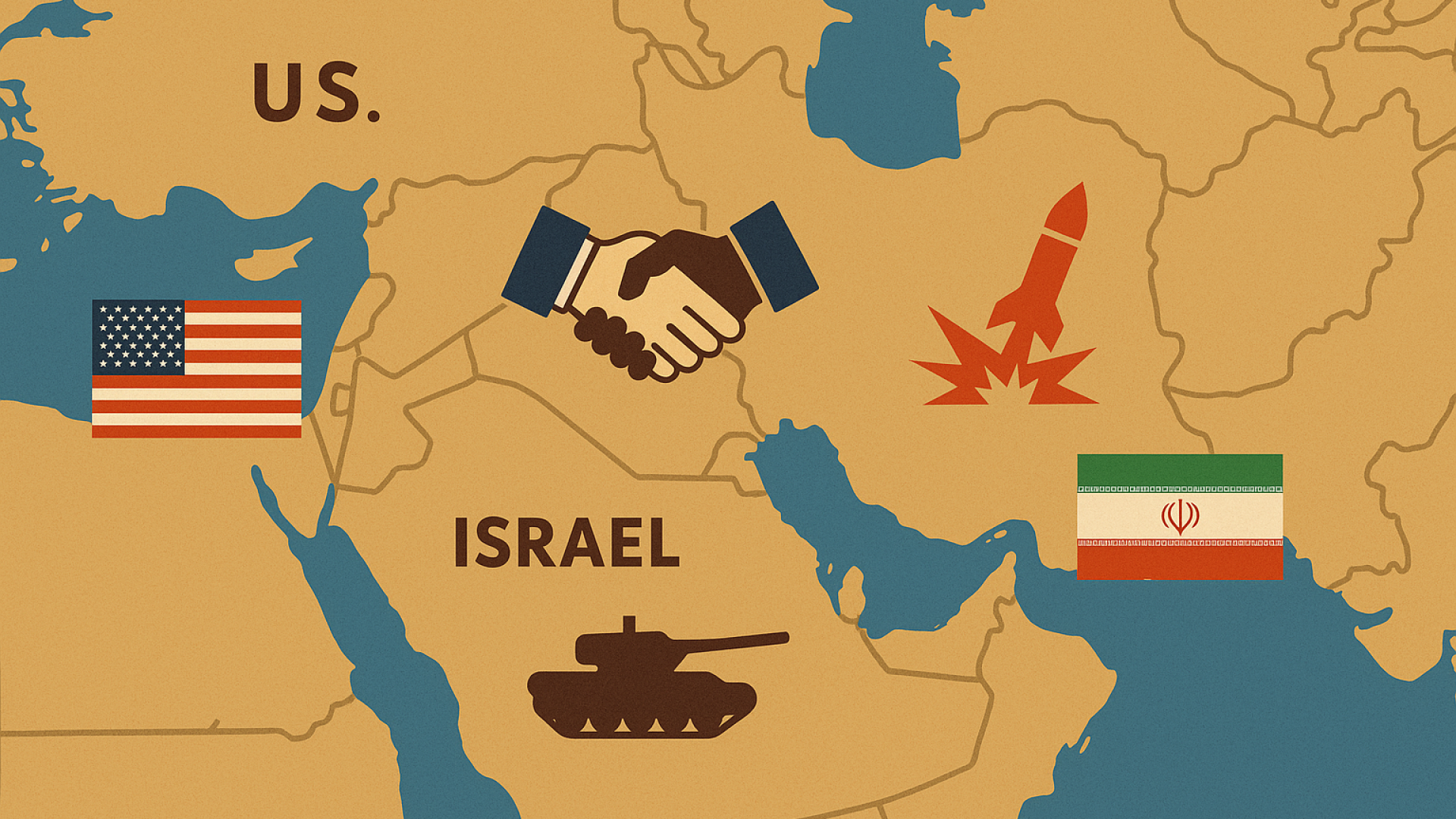
As of March 2026, the geopolitical landscape surrounding the United States, Israel, and Iran remains fraught with complexity and uncertainty. The longstanding conflict between these nations has entered a critical phase, influenced heavily by mixed messages from former US President Donald Trump, ongoing military maneuvers, and shifting alliances. This article explores the current state of the conflict, the factors contributing to its escalation, and potential pathways toward resolution. Understanding the nuances of this multifaceted conflict is essential for grasping the broader implications for regional stability and global security.
Context: Historical Background and Recent Developments
The US-Israel-Iran conflict has deep roots dating back several decades, shaped by ideological, religious, and strategic interests. Iran’s nuclear ambitions, Israel’s security concerns, and the US’s role as a regional power broker have created a volatile triangle of tension that continues to influence Middle Eastern geopolitics. The historical animosities and competing national interests have made this conflict one of the most intractable in modern international relations.
In recent years, the conflict has intensified due to several key events that have reshaped the strategic calculus of all parties involved:
- US Withdrawal from the Iran Nuclear Deal: In 2018, the Trump administration withdrew from the Joint Comprehensive Plan of Action (JCPOA), reinstating stringent sanctions on Iran and escalating tensions significantly. This move dismantled years of diplomatic progress and led to Iran resuming certain nuclear activities previously curtailed under the agreement.
- Military Clashes and Proxy Conflicts: Both Israel and Iran have engaged in proxy conflicts across the Middle East, including in Syria, Lebanon, and Yemen. These confrontations have occasionally escalated into direct military engagements, further destabilizing the region and increasing the risk of a broader conflict.
- Diplomatic Efforts and Failures: Attempts to revive the nuclear deal and negotiate peace have faced significant obstacles, complicated by regional rivalries, domestic political pressures, and international interests. The lack of a unified approach among global powers has hindered meaningful progress.
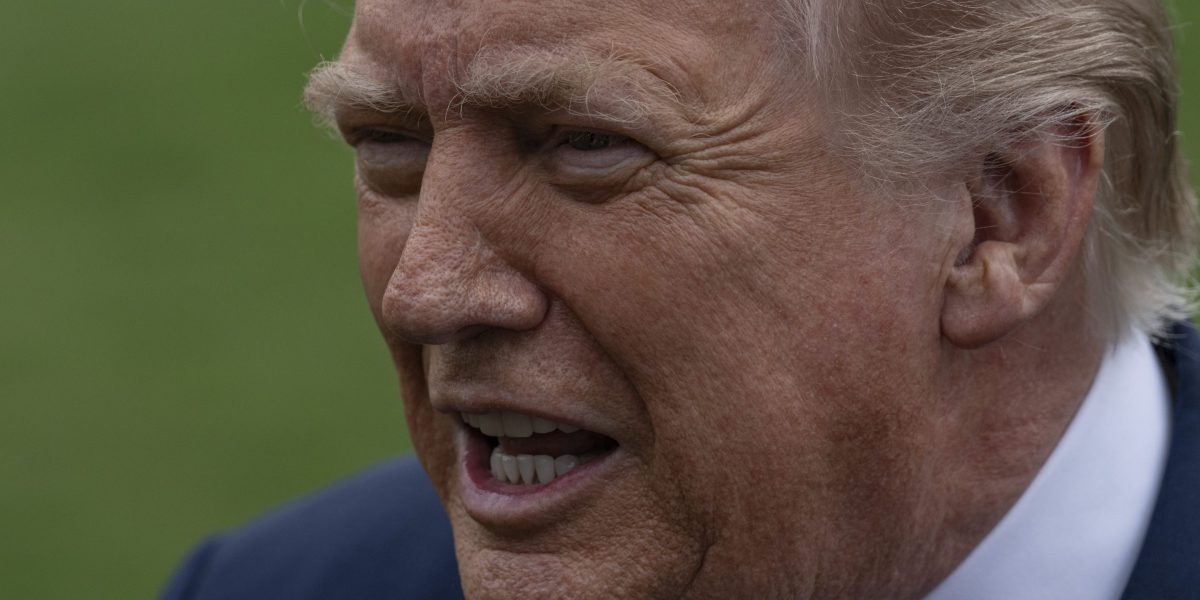
Most recently, the situation has been further complicated by former President Trump’s mixed signals regarding US policy toward Iran. His contradictory statements about troop deployments, sanctions, and military options have created confusion among allies and adversaries alike, undermining diplomatic coherence and strategic clarity.
Core Issues and Current Challenges
The conflict today is shaped by several interrelated challenges that make resolution difficult and heighten the risk of escalation:
- Ambiguity in US Policy: Trump’s public statements have oscillated between advocating for de-escalation and threatening military action. This inconsistency has created uncertainty among US allies, emboldened hardliners within Iran, and complicated efforts to establish a clear negotiating framework. The lack of a consistent US stance undermines trust and hampers diplomatic initiatives.
- Iran’s Nuclear Program: Despite international pressure and sanctions, Iran continues to advance its nuclear capabilities. While Tehran insists its program is for peaceful purposes, Israel and the US remain deeply concerned about the potential weaponization of nuclear technology, which would dramatically alter the regional balance of power and increase the threat of conflict.
- Regional Proxy Wars: Iran’s support for militant groups such as Hezbollah in Lebanon and Hamas in Gaza continues to fuel instability. These proxy actors engage in periodic violence against Israel, prompting military responses that often exacerbate tensions. The proxy wars extend beyond Israel’s borders, affecting countries like Syria and Yemen, and contributing to a broader regional conflict dynamic.
- Global Diplomatic Dynamics: Other global powers, including Russia and China, have vested interests in the Middle East and have taken positions that sometimes counter US and Israeli policies. Their involvement adds layers of complexity to diplomatic efforts, as these countries seek to expand their influence and protect strategic interests, often complicating consensus-building on conflict resolution.
Analysis: Who Holds Responsibility?
Assigning blame in this multifaceted conflict is challenging due to the overlapping interests and actions of various actors. Several parties bear responsibility for the current impasse and ongoing instability:
- Iran: Its pursuit of nuclear technology beyond civilian needs and continued support for militant groups contribute significantly to regional instability. Iran’s strategic calculations often prioritize ideological and geopolitical goals over diplomatic compromise, which fuels mistrust among its adversaries.
- Israel: Israel’s aggressive military tactics, including targeted strikes against Iranian assets and proxies, and its reluctance to engage in meaningful dialogue with Iran, exacerbate hostilities. Israel’s security doctrine emphasizes preemptive action, which, while aimed at deterrence, often escalates tensions.
- United States: Policy inconsistency, particularly under Trump’s influence, has weakened diplomatic efforts and emboldened hardliners on all sides. The US’s fluctuating approach has undermined its credibility as a mediator and complicated alliances, reducing the effectiveness of sanctions and diplomatic pressure.
- International Community: A lack of unified, sustained pressure and engagement from the broader international community has allowed the conflict to persist without resolution. Divergent interests among global powers and regional actors have prevented the formation of a cohesive strategy to address the root causes of the conflict.
Potential Solutions and Pathways Forward
Despite the numerous challenges, several avenues offer hope for de-escalation and eventual resolution of the US-Israel-Iran conflict. These solutions require coordinated efforts, political will, and a commitment to dialogue:
- Renewed Diplomatic Engagement: The US and its allies could recommit to multilateral negotiations, including reviving and strengthening the JCPOA with robust verification mechanisms. Such an agreement would need to address not only nuclear issues but also regional security concerns to be sustainable.
- Clear and Consistent US Policy: Establishing a coherent and predictable US stance would reduce uncertainty and encourage constructive dialogue. A transparent policy framework that balances deterrence with diplomacy could help rebuild trust among allies and adversaries alike.
- Regional Security Frameworks: Encouraging regional cooperation on security issues could help address underlying tensions and reduce proxy conflicts. Initiatives that include Iran, Israel, and neighboring states in dialogue about mutual security concerns could foster confidence-building measures and reduce the likelihood of unintended escalation.
- International Mediation: Involving neutral parties and international organizations, such as the United Nations or the International Atomic Energy Agency (IAEA), may facilitate trust-building and conflict resolution. Third-party mediation can provide impartial platforms for negotiation and verification, helping to bridge gaps between conflicting parties.
Conclusion
The US-Israel-Iran conflict remains one of the most complex and dangerous geopolitical challenges of our time. Mixed signals from influential actors, particularly former President Trump, have complicated an already fragile situation, contributing to confusion and mistrust. However, with concerted diplomatic efforts, clear policy direction, and international cooperation, there remains a possibility to steer the conflict away from further escalation and toward a more stable and peaceful future.
As global tensions continue to rise, the world watches closely, hoping that reason and dialogue will prevail over conflict and division. The path forward will require patience, pragmatism, and a willingness to engage across longstanding divides to secure lasting peace in a region critical to global stability.